
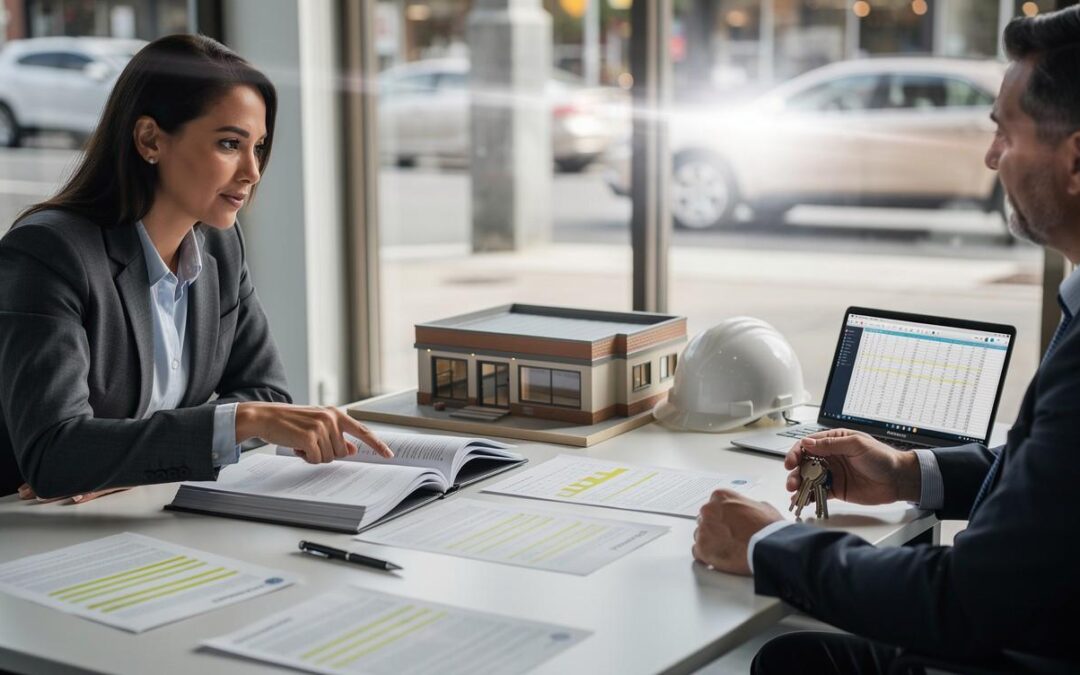
One accident or property damage claim can devastate a business that lacks proper protection. Commercial property liability insurance covers the financial fallout from injuries, property damage, and legal costs-but most business owners don’t fully understand what’s actually covered.
At JW Hirschfeld Agency, Inc., we see firsthand how gaps in coverage leave companies vulnerable. This guide walks you through what you need to know to protect your business assets properly.
What Your Commercial Property Liability Insurance Actually Covers
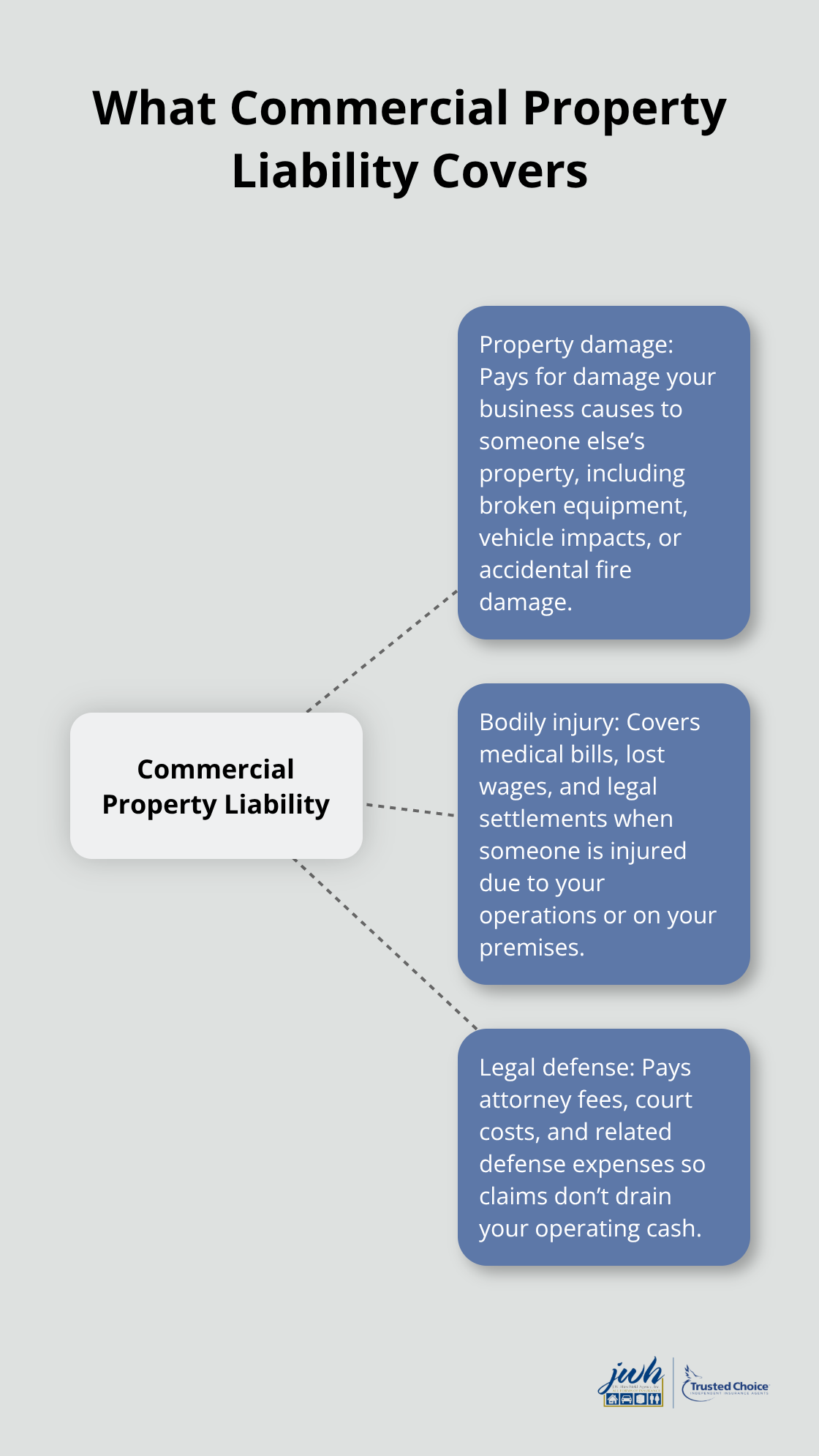
Property damage claims happen fast, and without the right coverage in place, the financial impact can be severe. Commercial property liability insurance protects your business by covering three distinct areas of financial exposure. It pays for damage your business causes to someone else’s property-whether a client’s equipment damaged during your work, a delivery truck that hits a storefront, or accidental fire damage to a neighboring building. It also covers medical bills and legal settlements when someone is injured on your business premises or as a result of your operations. Finally, it pays for your legal defense, including attorney fees, court costs, and settlements.
Without this protection, a single incident can drain your business bank account and threaten your ability to operate.
When Property Damage Claims Hit Hard
Property damage liability covers the cost of repairing or replacing someone else’s property that your business damaged. A plumbing contractor who accidentally floods a client’s office, a construction crew that damages a neighboring building’s foundation, or a retail store where a display fixture falls and damages merchandise-these situations are exactly what property damage liability handles. The National Association of Insurance Commissioners reports that property damage claims in commercial settings average between $15,000 and $50,000 depending on the industry. Your policy should cover repair costs, replacement value, and the business interruption costs the damaged party experiences. Most business owners underestimate how quickly repair bills escalate, especially for specialized equipment or structural damage.
Bodily Injury Liability Protects Against Medical and Legal Expenses
Bodily injury liability kicks in when someone is injured because of your business operations or on your property. A customer slips on a wet floor in your office, an employee of a vendor is hurt at your facility, or a passerby is struck by something falling from your building-your policy pays their medical expenses, lost wages, and any legal judgment against you. The U.S. Bureau of Labor Statistics shows that the average cost of a workplace injury claim exceeds $42,000, and that’s just the direct medical expense. When legal liability enters the picture, costs multiply dramatically. Your insurance covers hospital bills, ongoing medical treatment, rehabilitation costs, and court judgments up to your policy limit. Without this coverage, you’re personally liable for these expenses, which can bankrupt a small or mid-sized business in one claim.
Legal Defense Costs Exist Separately From Settlement Amounts
Many business owners don’t realize that legal defense costs in commercial liability policies exist outside your policy limit in most commercial liability policies. Your insurer pays your attorney to defend you against a claim, and this cost doesn’t reduce the amount available to settle or pay a judgment. A single lawsuit costs $50,000 or more in legal fees before the case even settles. For complex cases involving multiple parties or serious injuries, defense costs can exceed $100,000. Your policy covers these expenses entirely, protecting your business from the financial drain of defending yourself in court. This is why adequate coverage matters-the defense costs alone can cripple a business before any settlement is even reached.
Why Independent Agents Identify Better Coverage Options
Standard policies often miss industry-specific exposures that leave businesses vulnerable. An independent agent like those at JW Hirschfeld Agency, Inc. represents multiple top carriers and can match your business to policies that actually fit your operations. Rather than accepting a one-size-fits-all package, you work with someone who understands your specific risks and can recommend appropriate limits and endorsements. This personalized approach means you avoid paying for coverage you don’t need while securing protection where it matters most. The next section shows you exactly where most businesses fall short-and how to spot gaps before they cost you.
Why Independent Agents Get You Better Coverage
Multiple Carriers Mean Real Competitive Rates
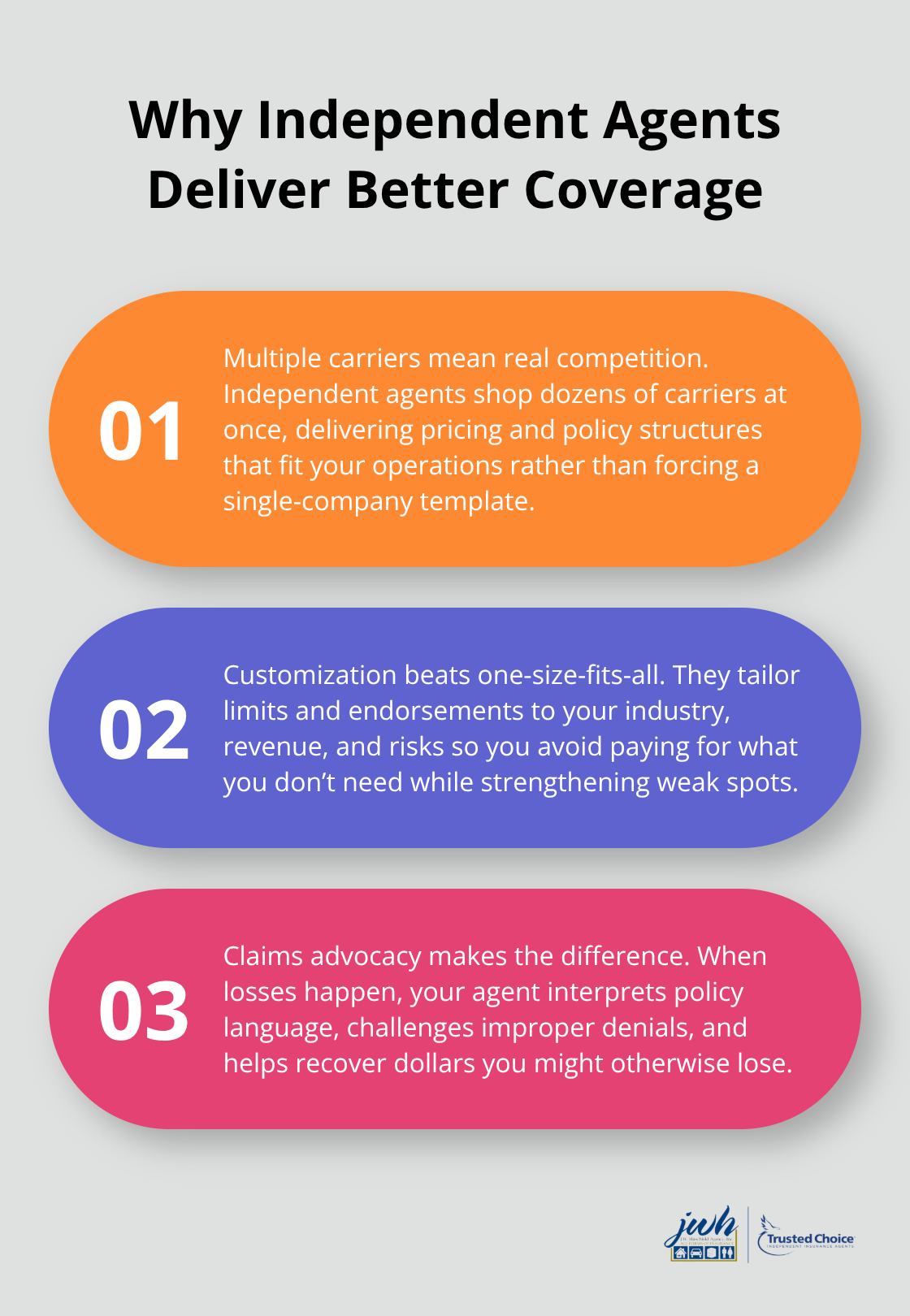
Direct insurance carriers limit you to their products and pricing structures. When you work with an independent agent, you access dozens of carriers simultaneously, which means competitive rates aren’t theoretical-they’re immediate and measurable. Representing multiple top carriers allows independent agents to match your business to policies priced competitively and structured specifically for your operations. This isn’t about finding the cheapest option; it’s about finding the right option at the right price.
Customization Beats One-Size-Fits-All Packages
A contractor’s liability needs differ drastically from a retail store’s exposure, yet many carriers apply standard packages that leave both underprotected in certain areas. An independent agent customizes your coverage by selecting the carrier that actually fits your industry, your revenue size, and your specific operational risks. You might need higher limits for property damage but lower limits for certain liability exposures-or vice versa. An independent agent builds that exact policy rather than forcing you into a pre-packaged bundle. This tailored approach means you avoid paying for coverage you don’t need while securing protection where it matters most.
Claims Advocacy Makes the Real Difference
When claims happen, the difference between working with an agent versus a carrier directly becomes painfully obvious. Most businesses identify their coverage gaps only after filing a claim, and at that point, options disappear. An independent agent advocates for you during the claims process, interpreting policy language and pushing back if the carrier denies coverage incorrectly. They know the policy inside out because they wrote it with your input, not because they’re reading it for the first time. If a claim gets denied or underpaid, your agent investigates the denial and escalates on your behalf-something that rarely happens when you contact a carrier’s claims line directly. This hands-on advocacy protects your business when it matters most and often recovers thousands in disputed claim payments that business owners would simply accept as losses.
What Gaps Actually Look Like in Practice
Standard policies often miss industry-specific exposures that leave businesses vulnerable. A plumbing contractor might carry adequate property damage limits but lack coverage for water damage claims they cause at client sites. A retail operation might have solid bodily injury protection but insufficient coverage for product liability or inventory loss. These gaps don’t appear obvious until a claim arrives and the denial letter lands on your desk. An independent agent spots these vulnerabilities before they become expensive problems, recommending appropriate limits and endorsements that match your actual operations. The next section reveals the most common coverage gaps we see across industries and how to identify them in your own policy.
Common Gaps in Commercial Coverage and How to Avoid Them
Most business owners spot their coverage gaps only after a claim gets denied. The problem isn’t that standard policies lack options-it’s that businesses accept whatever package a direct carrier offers without questioning whether it actually matches their operations. A contractor carries what they think is adequate property coverage, then a water damage claim at a client site gets rejected because the policy excludes that specific scenario. A retail operation has solid bodily injury protection but discovers their inventory isn’t covered under property damage limits. A service business carries general liability but lacks coverage for tools and equipment they transport to job sites.
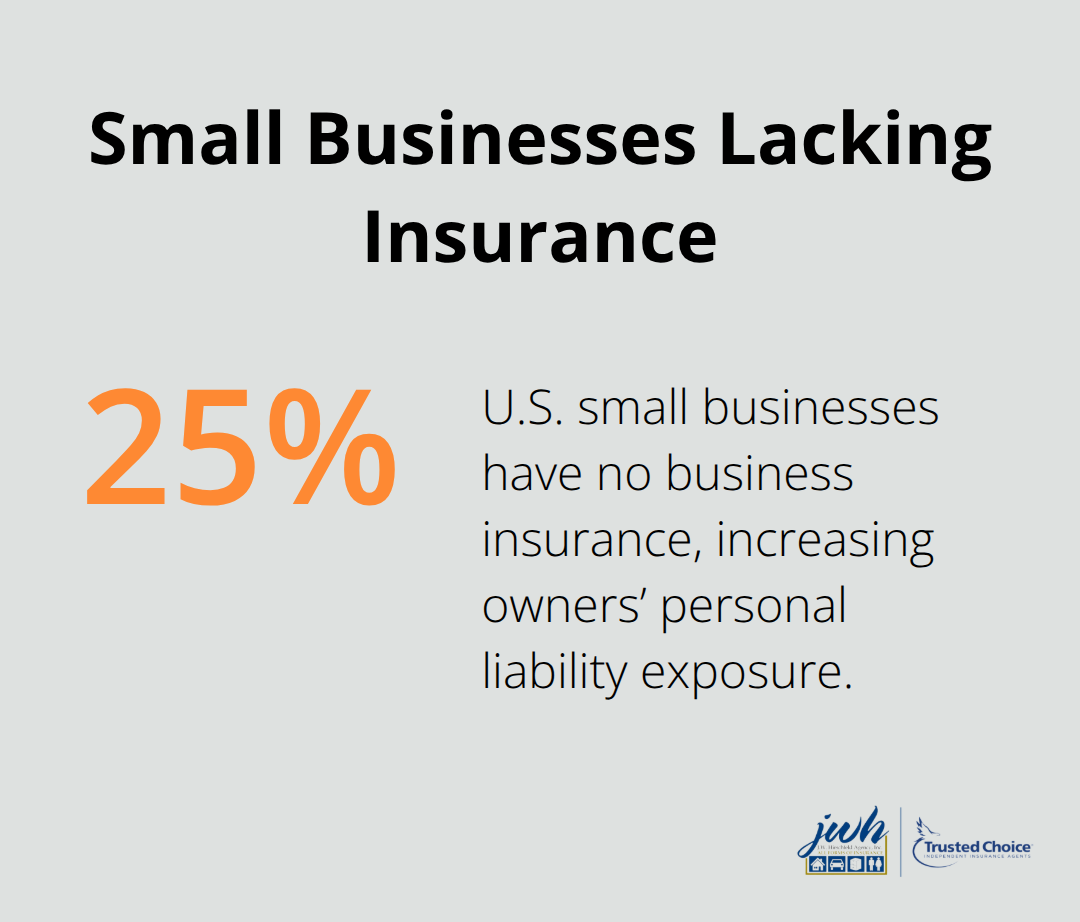
These aren’t rare exceptions; they’re standard gaps that appear across nearly every industry. According to the Insurance Information Institute, a quarter of small businesses don’t have business insurance, and underinsurance leaves owners personally liable for the difference between what they’re owed and what their policy pays. The financial impact ranges from tens of thousands to complete business failure depending on claim severity.
Underinsuring Your Property Assets
Standard policies often fail to cover the full replacement value of your business property. A plumbing contractor faces water damage liability that a landscaper doesn’t encounter; a landscaper faces equipment damage and liability for property damage from their equipment that a consulting firm avoids. Yet many businesses accept standard coverage without requesting industry-specific endorsements or higher limits in vulnerable areas. A manufacturing operation needs pollution liability coverage that retail stores don’t require. A contractor working on client property needs contractual liability protection that an office-based business can skip.
Most business owners underestimate replacement costs when they select coverage limits. Equipment, inventory, and structural improvements cost far more to replace than their original purchase price suggests. When a claim arrives and the payout falls short, the business owner absorbs the difference personally.
Overlooking Industry-Specific Risks
Each industry carries unique exposures that generic policies ignore entirely. A plumbing contractor’s water damage liability differs completely from a landscaper’s equipment exposure. A manufacturing operation requires pollution liability; a consulting firm does not. Yet carriers apply standard packages that leave businesses underprotected in certain areas while overprotected in others.
An independent agent like those at JW Hirschfeld Agency, Inc. structures your coverage so property policies, liability policies, and specialized endorsements work together seamlessly. This coordination prevents the expensive scenario where a single claim falls between two policies because neither one covers it adequately. Industry-specific endorsements cost far less than the claims they prevent.
Failing to Bundle Policies for Maximum Protection
When policies aren’t coordinated strategically, coverage overlaps in some areas while gaps appear in others, and your total protection costs more while protecting less. A business might carry separate property and liability policies that duplicate certain protections while leaving other exposures completely uninsured. This fragmented approach wastes premium dollars and creates dangerous blind spots.
Bundling policies with a single carrier (or coordinating multiple policies through an independent agent) eliminates redundancy and fills exposures that would otherwise remain unprotected. The coordination prevents the expensive scenario where a claim falls between two policies because neither covers it adequately. Strategic bundling also qualifies your business for multi-policy discounts that reduce your total premium while expanding your actual protection.
Final Thoughts
Commercial property liability insurance protects your business from financial devastation, but only when your coverage matches your actual operations. The gaps we’ve outlined-underinsured assets, overlooked industry risks, and fragmented policies-cost businesses thousands in denied claims every year. The difference between adequate protection and expensive vulnerability often comes down to one decision: whether you work with someone who understands your specific exposures or accept whatever a standard package offers.
Independent agents make the real difference because we represent multiple top carriers and can match your business to policies priced competitively and structured specifically for your industry. Rather than forcing you into pre-packaged bundles, we customize your coverage so property damage protection, bodily injury liability, and legal defense costs work together seamlessly. When claims happen, we advocate on your behalf, interpreting policy language and pushing back against incorrect denials.
Review your current commercial property liability insurance coverage against the gaps we’ve outlined and check whether your limits match your actual asset values. If you spot vulnerabilities or remain unsure whether your coverage is adequate, contact JW Hirschfeld Agency, Inc. for a no-obligation policy review. As a third-generation, family-owned independent agency in Huntington, New York, we’ve spent nearly a century helping local businesses find tailored coverage that actually protects them.
The information provided in this blog is for general informational purposes only and does not constitute legal, financial, or insurance advice. Coverage options, terms, and availability may vary. Please consult with a licensed professional for advice specific to your situation.
Artificial intelligence may have been used to generate text and images in some blog articles.