
Your fleet is one of your business’s biggest assets, and protecting it requires the right commercial auto coverage options. At JW Hirschfeld Agency, Inc., we know that one-size-fits-all policies don’t work for most businesses.
That’s why we’ve put together this guide to help you understand your coverage choices and customize a policy that matches your actual needs and budget.
Commercial Auto Coverage Options: What Your Fleet Actually Needs
Liability Coverage: Your Legal Foundation and Financial Protection
Liability coverage for bodily injury and property damage forms the foundation of any commercial auto policy, and it’s the one coverage your state legally requires. Most states mandate minimum limits, but those minimums are dangerously low-typically at least $25,000 per person for bodily injury. If your driver injures someone seriously, medical bills can exceed $100,000 within days.
You should carry liability limits of at least $100,000 per person and $300,000 per accident for most small to mid-sized fleets. Larger operations with higher exposure should consider $250,000 or $500,000 per person. Property damage liability covers damage your vehicle causes to someone else’s property-a fence, building, or another vehicle. This coverage typically runs $25,000 to $100,000 depending on your fleet size and operating territory.
Collision and Comprehensive: Protecting Your Own Vehicles
Collision and comprehensive coverage protects your own vehicles from damage. Collision pays for accidents with other vehicles or objects, while comprehensive covers theft, weather, vandalism, and other non-collision events. The key difference: collision and comprehensive are optional, but they’re essential if you finance or lease vehicles.
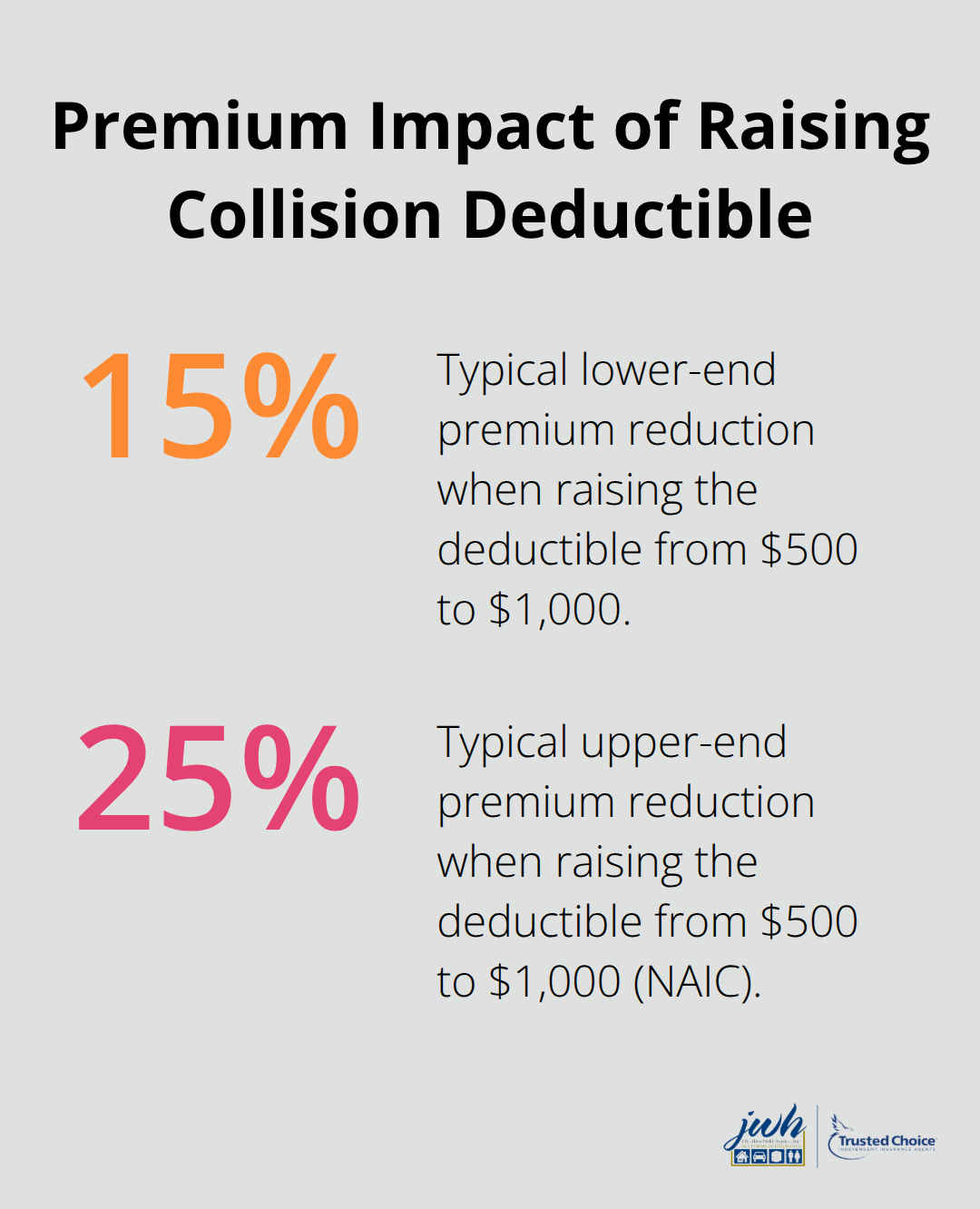
If you own your fleet outright, the decision depends on vehicle age and replacement costs. A five-year-old commercial van worth $15,000 might justify comprehensive and collision coverage with a $1,000 deductible, but a ten-year-old vehicle worth $3,000 probably doesn’t. The deductible you choose directly impacts your premium-raising it from $500 to $1,000 typically reduces your rate by 15-25%, according to the National Association of Insurance Commissioners.
Uninsured and Underinsured Motorist Coverage: Closing the Gap
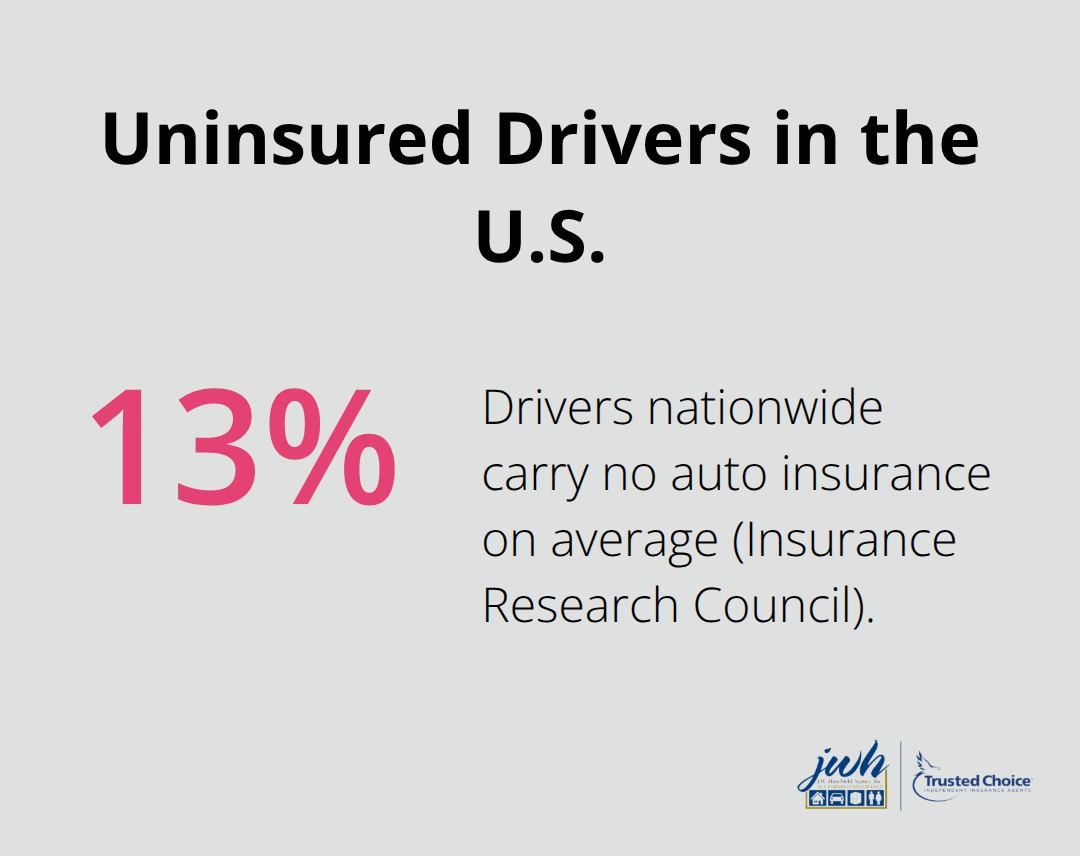
Uninsured and underinsured motorist coverage protects your drivers and vehicles when the at-fault party lacks adequate insurance or carries none at all. About 13% of drivers nationwide carry no insurance, according to the Insurance Research Council, though rates vary significantly by state. This coverage pays your medical bills, lost wages, and vehicle damage up to your policy limits when an uninsured or underinsured driver causes an accident.
Your drivers spend significant time on the road, increasing exposure to uninsured motorists. You should match your uninsured motorist limits to your liability limits for consistent protection across your entire policy. Once you understand these three core coverage types, the next step involves assessing which combination actually fits your specific business operations and fleet composition.
Assessing Your Fleet’s Specific Needs
How Your Business Operations Shape Coverage Decisions
Your business operations determine which coverage limits and options make financial sense, and most fleets get this wrong by copying what competitors carry. A plumbing company running three vans within a 15-mile radius faces completely different risks than a delivery service operating across three states with 20 vehicles. Local operations encounter fewer highway accidents and lower exposure to serious injuries, so your liability limits can stay closer to state minimums with appropriate umbrella coverage. Regional or national fleets traveling highways regularly should carry higher liability limits because accident severity increases dramatically at highway speeds-the Insurance Institute for Highway Safety reports that fatalities per mile driven increase substantially on interstate corridors compared to local roads.
Your operating territory also affects comprehensive and collision decisions. Vehicles operating in urban areas with higher theft rates justify comprehensive coverage at lower deductibles, while rural operations might skip comprehensive entirely. A concrete example: an HVAC company with five service trucks operating within city limits in New Jersey faces different theft and accident patterns than an identical company operating across rural Pennsylvania. The New Jersey operation should prioritize comprehensive coverage with $500 deductibles, while the Pennsylvania operation could raise deductibles to $1,500 and reduce premiums without meaningful risk.
Mileage and Vehicle Usage Patterns
Vehicle usage patterns reveal whether your fleet actually needs the coverage limits you’re paying for. A business with vehicles sitting in a lot 80% of the time shouldn’t carry the same collision limits as vehicles logging 40,000 miles annually. Review your actual mileage data from the past two years-most businesses overestimate or underestimate significantly.
Vehicles averaging under 10,000 miles yearly should carry higher deductibles and potentially skip collision coverage if owned outright, while vehicles averaging 30,000+ miles should carry lower deductibles and comprehensive/collision with $500 or less deductibles. This approach aligns your premiums with actual risk exposure rather than worst-case scenarios.
Driver Profiles and Safety Records
Driver profiles matter more than most fleet owners admit. A single experienced driver with 20 years of clean records presents minimal risk, while multiple younger drivers with violations warrant stricter coverage and higher liability limits. The National Highway Traffic Safety Administration reports that drivers aged 20-24 have the highest crash rates of any age group, so fleets with younger workforces should carry liability limits of at least $250,000 per person.
Your driver safety records directly impact both your premiums and your actual claims exposure. Fleets with documented safety training programs and clean driving records qualify for substantial discounts-typically 10-15% according to most carriers. An independent insurance agent can help you identify which specific driver characteristics and safety metrics your carriers reward most generously, then structure your fleet coverage to capture those savings while maintaining appropriate protection for your actual operations.
Cost-Saving Strategies and Policy Customization
Bundle Commercial Auto with Other Business Policies
Bundling your commercial auto policy with general liability, property, or workers’ compensation coverage typically saves 10-25% on your total business insurance spend. Most carriers offer these discounts because bundled customers stay longer and file fewer claims overall. However, bundling only works if the discount actually beats your current rates-some carriers bundle aggressively while others offer minimal savings.
An independent insurance agent representing multiple carriers can compare bundle pricing across different companies rather than locking you into one insurer’s bundle structure. This approach reveals whether bundling saves you money or whether purchasing policies separately from different insurers costs less. As an independent broker representing multiple top carriers, we at JW Hirschfeld Agency, Inc. find tailored coverage and competitive pricing by comparing bundle options across our entire carrier network.
Implement Safety Programs to Qualify for Discounts
Safety programs directly reduce your premiums and your actual accident exposure simultaneously. Fleets with documented driver training programs, vehicle maintenance schedules, and telematics systems typically qualify for 10-15% discounts on liability and collision coverage. The challenge is that carriers reward different safety metrics-some focus on driver training certifications, others on dashcam documentation, and still others on maintenance records.
Implementing a safety program costs money upfront, but the ROI appears quickly. A fleet of ten vehicles saving $150 per vehicle annually through safety discounts generates $1,500 in savings, which often exceeds the cost of basic training programs. This financial advantage makes safety investments worthwhile for most commercial fleets.
Adjust Deductibles and Coverage Limits to Match Your Risk
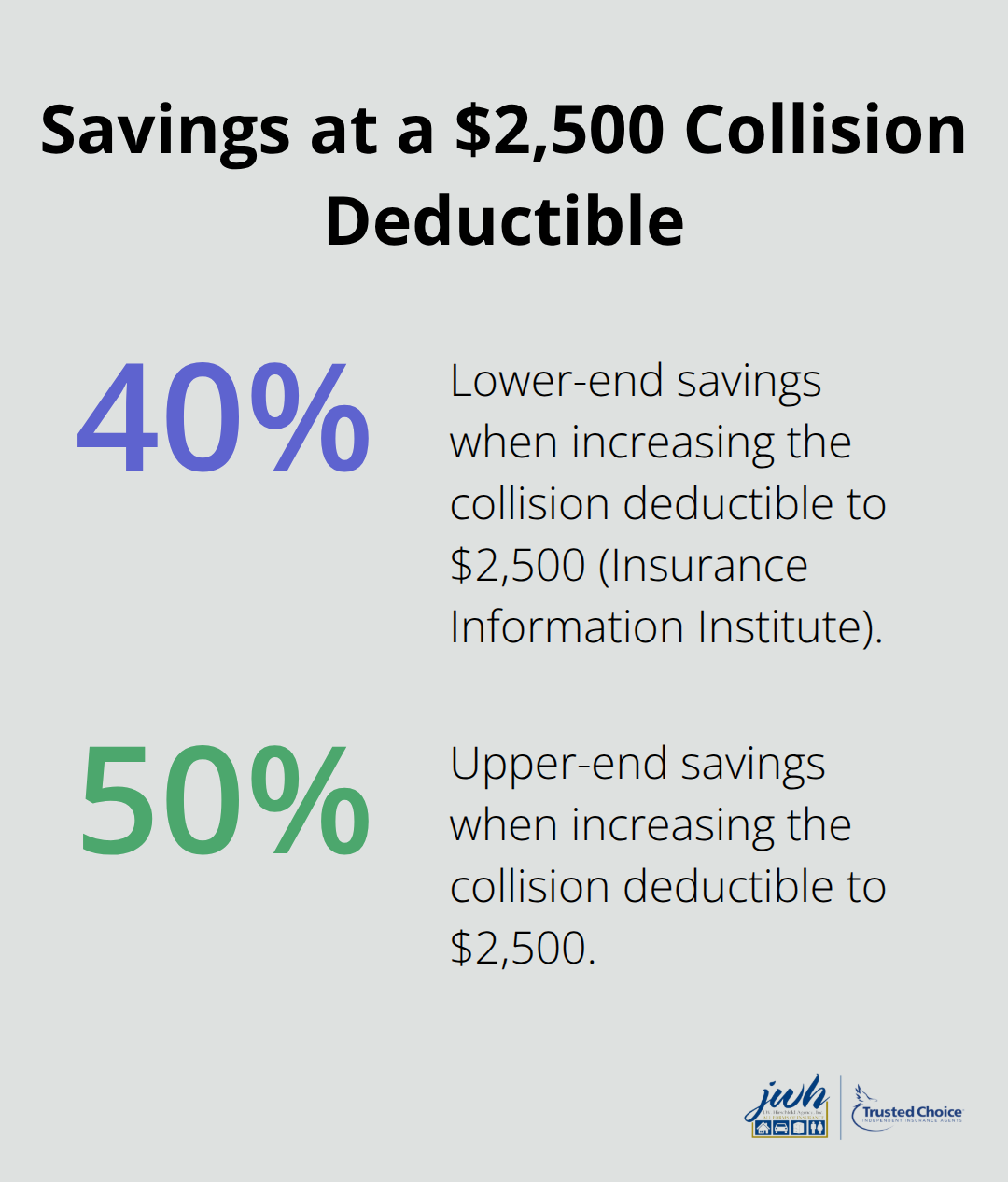
Deductible adjustments offer immediate premium reductions without requiring new programs or infrastructure changes. Raising your collision deductible from $500 to $1,000 reduces premiums 15-25%, while moving to $2,500 saves 40-50% according to the Insurance Information Institute.
The key is matching your deductible to your actual cash reserves-if you lack $2,500 in emergency funds, a $2,500 deductible creates financial stress after an accident.
Liability limits should never be cut for savings. Instead, adjust collision and comprehensive deductibles based on vehicle age and value, then maintain higher liability limits that actually protect your business assets if a serious accident occurs. This strategy preserves your financial protection while capturing real savings where they matter least.
Final Thoughts
Tailoring commercial auto coverage options to your actual business operations beats generic policies every time. Your specific business type, operating territory, vehicle usage patterns, and driver profiles determine which coverage combinations make financial sense for your situation. The real savings come from matching your deductibles and limits to your real risk exposure rather than copying what other businesses carry.
Working with an independent insurance agent makes this customization process straightforward. Unlike captive agents representing single carriers, independent brokers compare coverage options and pricing across multiple insurers simultaneously (revealing which carriers offer the best rates for your specific fleet composition and operating profile). This competitive approach protects your interests far better than standard packages from a single company.
Gather your fleet data including vehicle ages, annual mileage, driver records, and current coverage details, then contact an independent agent who can analyze your actual needs. Visit JW Hirschfeld Agency, Inc. to discuss your commercial auto coverage options with agents who understand local business operations and can advocate for you through claims.
The information provided in this blog is for general informational purposes only and does not constitute legal, financial, or insurance advice. Coverage options, terms, and availability may vary. Please consult with a licensed professional for advice specific to your situation.
Artificial intelligence may have been used to generate text and images in some blog articles.