
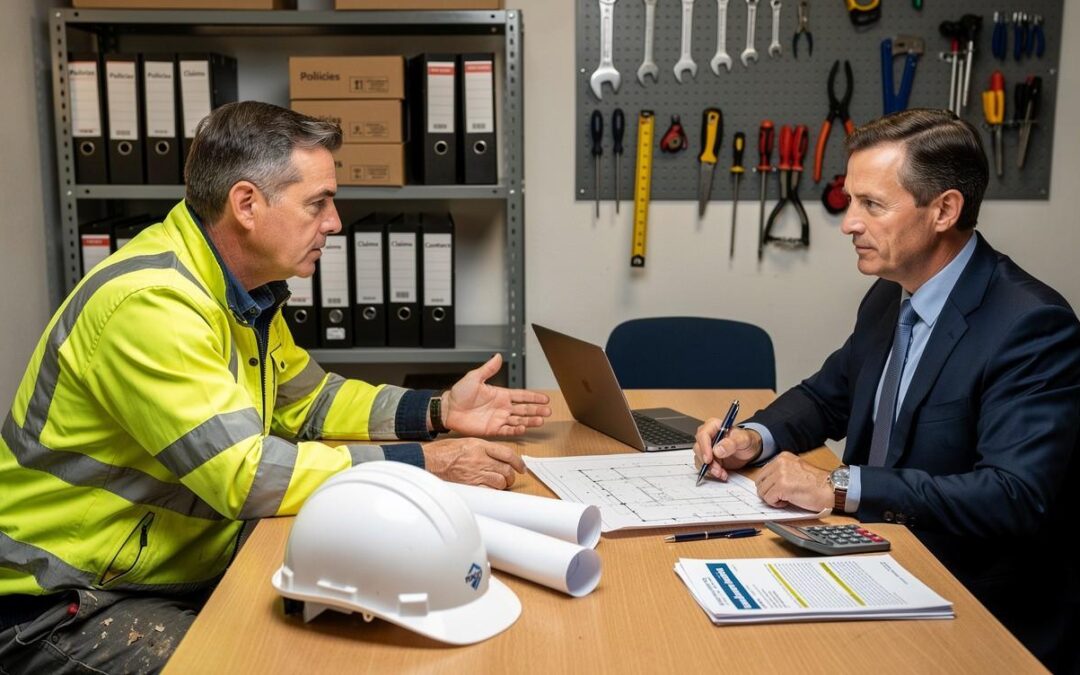
Running your own contracting business means managing countless moving parts-and your insurance needs to keep pace. Small business contractor insurance isn’t one-size-fits-all, which is why so many contractors end up underinsured or paying too much.
We at JW Hirschfeld Agency, Inc. work with contractors daily who discover gaps in their coverage only when it’s too late. The right policy protects your liability, equipment, and employees while keeping your costs reasonable.
What Your Contractor Insurance Actually Protects
General liability coverage protects you when a client claims you damaged their property or caused them bodily injury on the job. Most contractors need at least $1 million in general liability limits, though projects exceeding $500,000 often require $2 million or higher. Construction defect claims are increasing, making adequate limits non-negotiable.
Tools and Equipment Need Separate Protection
Tools and equipment represent your business assets, and standard general liability policies exclude them entirely. You need inland marine coverage or a tools and equipment rider to protect your power tools, ladders, compressors, and other equipment both on-site and in transit. This coverage typically costs between $300 and $800 annually depending on your equipment inventory and deductible choices.
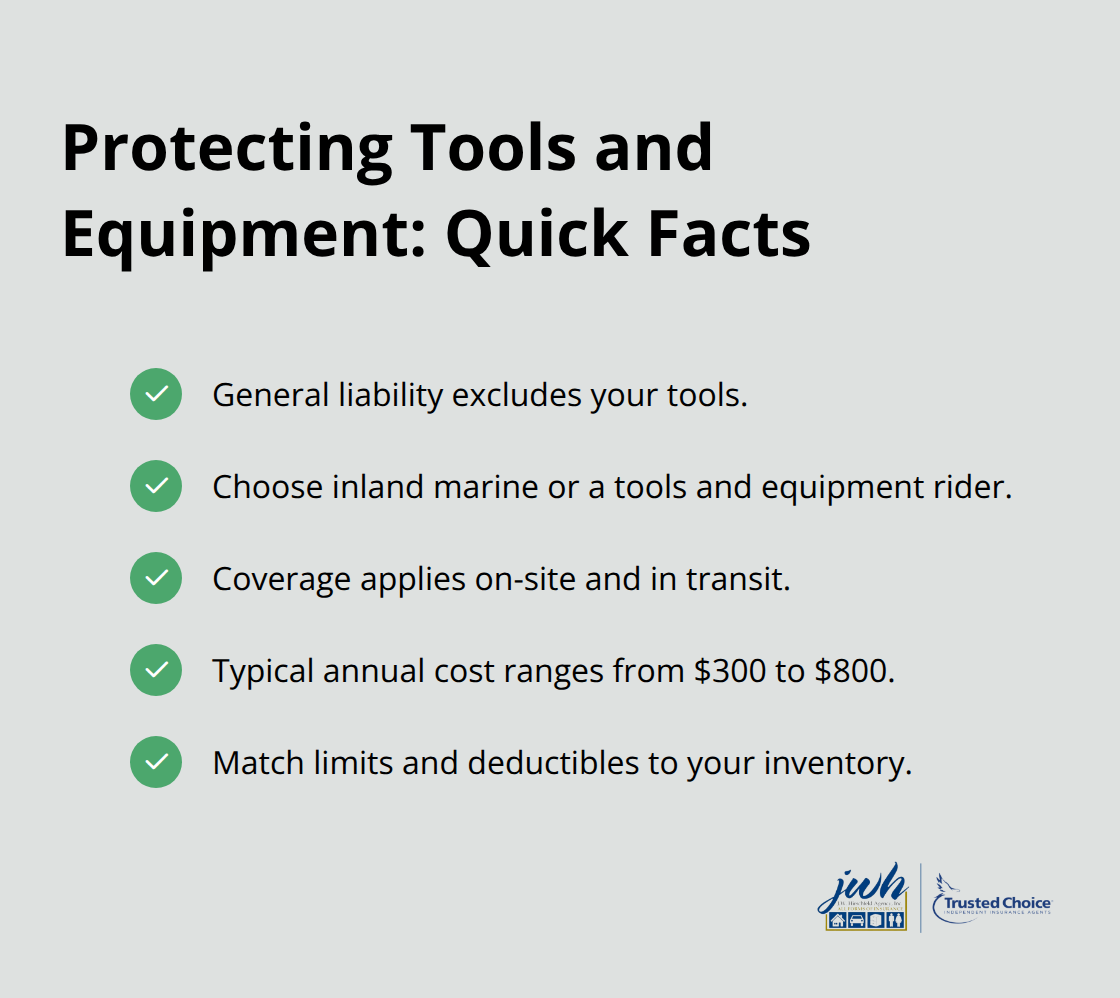
Inland marine coverage protects mobile equipment during transport between job sites, which is when most theft and damage occurs. Standard property policies only cover equipment at a fixed location. If you move equipment daily, this gap costs you thousands.
Workers Compensation Becomes Mandatory When You Hire
Workers compensation becomes mandatory the moment you hire your first employee in most states, and the penalties for operating without it are severe-fines can reach $10,000 or more per uninsured employee. Most states require workers comp coverage even if you hire subcontractors regularly, since misclassifying them as independent contractors triggers additional liability exposure and potential audits from state labor departments.
Your payroll determines your workers comp premium, so misreporting employee classifications inflates costs unnecessarily. Contractors who properly classify employees and use experience modification rates to track safety records can reduce premiums by 10 to 25 percent over three years.
Subcontractor Liability Represents Your Biggest Blind Spot
Subcontractor liability represents one of the largest uninsured gaps contractors face. When a subcontractor gets injured or causes damage, you may face claims even though they’re technically independent. Many contractors assume their subcontractors carry their own coverage, but gaps happen constantly.
You need contractual liability coverage and hired and non-owned auto liability if subcontractors use their personal vehicles on your projects. These protections (combined with proper documentation and safety protocols) shield you from exposure that standard policies won’t cover. An independent agent can help you identify which subcontractor scenarios apply to your specific trade and structure your coverage accordingly.
Why Independent Agents Find Better Contractor Policies
Multiple Carriers Mean Real Competitive Pricing
Contractors shopping for policies online or through direct carriers face a frustrating reality: you get whatever coverage the algorithm offers, take it or leave it. Large insurance companies operate on volume and standardization, which means their policies rarely fit the specifics of your trade. An independent agent works differently. We represent multiple top carriers, which means we match your exact risk profile to policies designed for contractors like you-not generic templates.
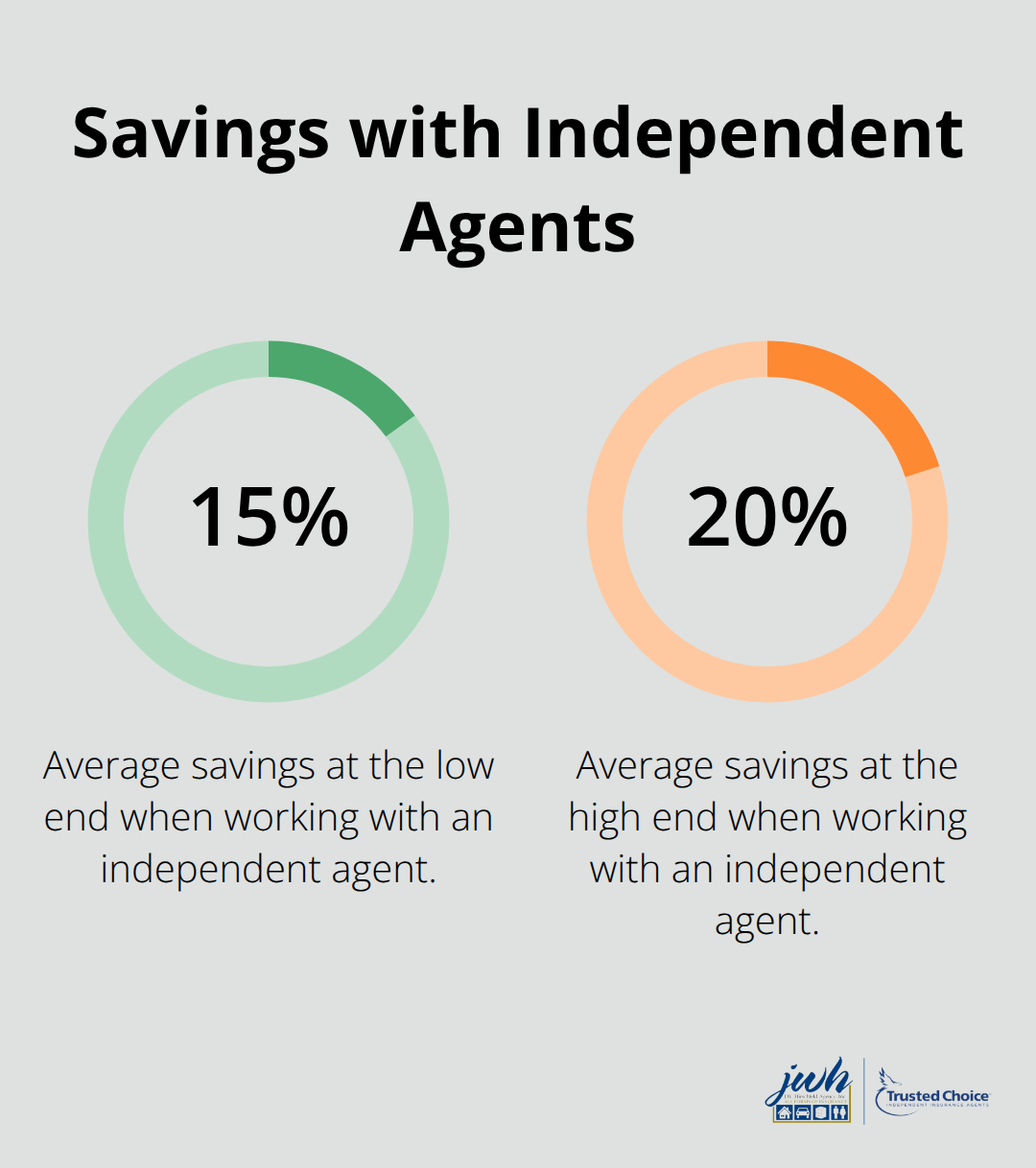
Cost matters, and this is where independent agents deliver concrete savings. You’re not locked into one carrier’s pricing structure. If one insurer raises rates or adds restrictions, your agent shops competing quotes from multiple carriers who actively want contractor business. Contractors who work with independent agents save an average of 15 to 20 percent compared to direct online quotes, largely because agents access carriers offering specialized contractor programs with better rates and more flexible underwriting.
Personalized Coverage Matching Your Specific Trade
When a roofer needs different coverage than a plumber, and a plumber needs different protection than an electrician, a one-size-fits-all approach fails. Independent agents spend time understanding your actual operations, the types of projects you take, your equipment inventory, and your subcontractor relationships. This personalized approach catches gaps that online quotes miss entirely.
Direct carriers and large brokers process thousands of policies monthly; they lack time for detailed conversations about your business. An independent agent prioritizes these conversations. Beyond competitive quotes, independent agents help you optimize your coverage structure to reduce unnecessary spending. Many contractors overpay for coverage limits they don’t need while leaving dangerous gaps elsewhere. Your agent identifies these inefficiencies and restructures your policy accordingly.
Hands-On Support During Claims and Policy Changes
When claims happen-and they will-independent agents become your advocate. Direct carriers treat claims as transactions; independent agents treat them as problems to solve on your behalf. You get a real person who understands your policy, knows your situation, and pushes back when insurers delay or deny claims unfairly.
This hands-on support extends to policy changes too. Adding equipment, hiring employees, or expanding into new project types requires policy adjustments. Independent agents manage these changes quickly and confirm your coverage stays aligned with your growing business. This ongoing partnership means your protection evolves as your contracting operation expands-something that matters far more than most contractors realize until they face a coverage gap.
Coverage Gaps That Cost Contractors Money
Liability Limits That Fall Short on Larger Projects
Most contractors operate with dangerous blind spots in their policies, and the financial consequences hit hard when claims arrive. A $1 million general liability policy sounds substantial until you manage a $2 million commercial renovation and a client sustains a serious injury on your job site. Courts and settlements in construction defect lawsuits have grown substantially. Contractors bidding on larger projects often discover mid-project that their policy limits are inadequate, creating a scramble to add coverage or face personal liability exposure.
Project size matters enormously here. A residential bathroom remodel requires different limits than a multi-unit commercial build, yet many contractors maintain the same policy regardless of scope. If you regularly bid jobs exceeding $1 million in value, you likely need $2 million in limits minimum. Specialized contractor programs through independent agents offer this flexibility without forcing you into overpriced policies.
Subcontractor Exposure Creates Hidden Liability
The second critical gap emerges around subcontractor exposure, which contractors consistently underestimate. You hire a subcontractor for electrical work, they get injured, and suddenly you face a workers compensation claim even though they’re technically independent. Insurance companies regularly deny these claims because standard policies contain exclusions for hired workers unless specific hired and non-owned auto liability coverage exists in your policy.
Contractors also miss the reality that subcontractors frequently operate without adequate insurance themselves. Proper contractual liability coverage and documentation protect you from exposure that standard policies won’t cover.
Mobile Equipment Theft and Damage Go Unprotected
Mobile equipment represents your third blind spot. Inland marine coverage protects tools and equipment during transport between job sites, but many contractors operate without it, assuming their general liability policy covers theft or damage in transit. It doesn’t. Equipment stolen from a truck bed or damaged during transport sits completely unprotected under standard policies.
The cost of this coverage runs between $300 and $800 annually, yet contractors lose tens of thousands replacing stolen power tools and equipment because they skipped this relatively inexpensive protection. Equipment moves constantly in contracting work-this is precisely when theft and damage occur most frequently. Standard property policies only cover equipment at fixed locations, leaving your mobile assets exposed.
Why Proactive Reviews Matter More Than Claims Handling
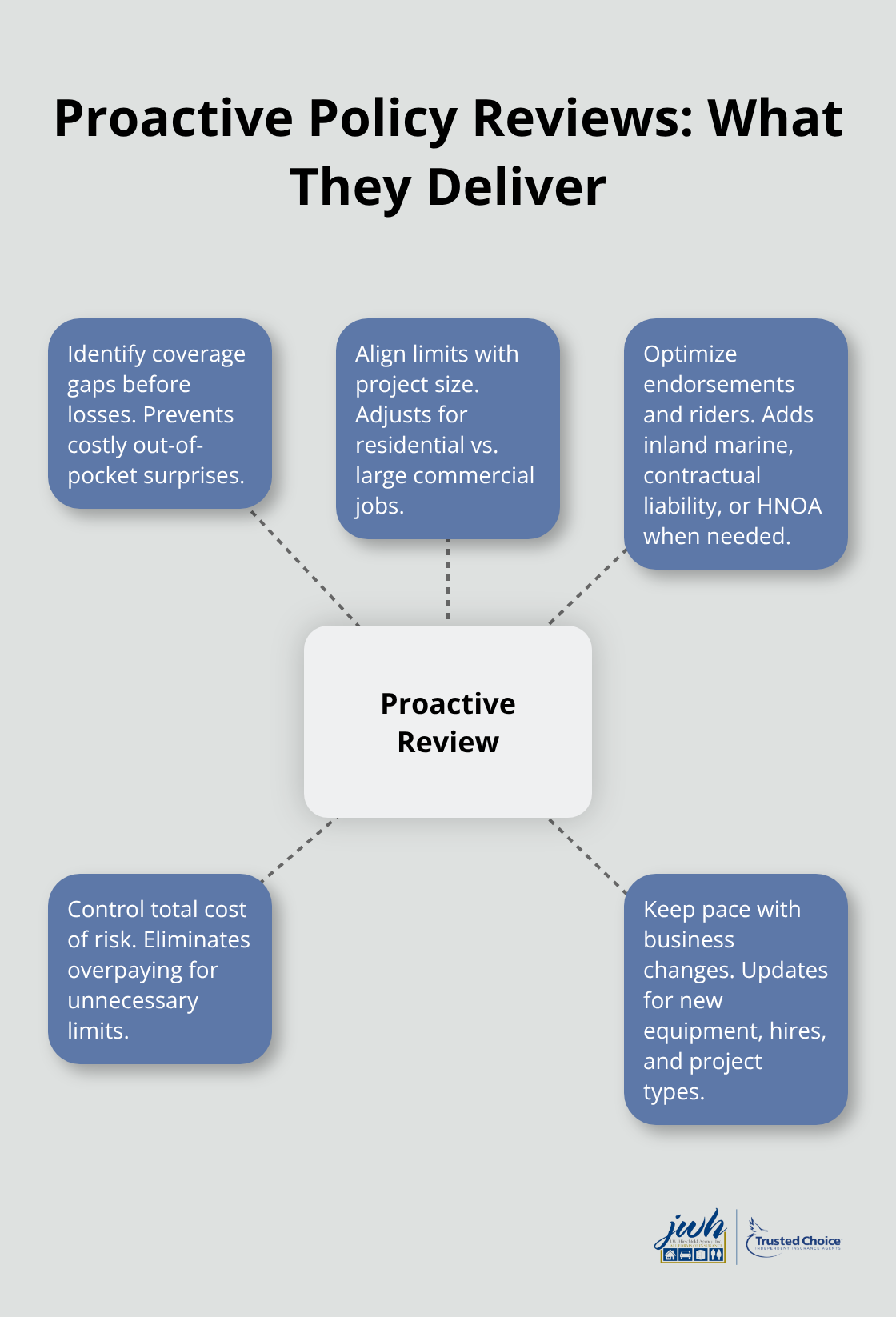
Contractors who experience these gaps face frustration when coverage failures emerge after losses occur. Proactive policy reviews prevent far more damage than reactive claims handling ever could. An independent agent identifies these gaps before they cost you money, matching your actual operations to appropriate coverage limits and riders.
Final Thoughts
Contractor insurance protects your business from three critical exposures: liability claims from clients, equipment loss during transport, and workers compensation obligations. Small business contractor insurance becomes genuinely effective when someone advocates for you during claims and policy changes, rather than treating your coverage as a one-time transaction that ends after you sign the paperwork.
An independent agent changes this equation entirely by giving you access to multiple top carriers competing for your business. This competition drives real savings-contractors typically save 15 to 20 percent compared to online quotes-while an agent who understands your specific trade structures coverage that matches your actual operations, not generic templates. When you hire employees, add equipment, or expand into new project types, your agent adjusts your policy to keep pace with your growing business.
Schedule a policy review with an independent agent who represents multiple carriers and bring details about your projects, equipment inventory, employee count, and subcontractor relationships. JW Hirschfeld Agency, Inc. works with contractors daily to build policies that actually protect your business while keeping costs reasonable, and a thorough review takes an hour and often uncovers thousands in unnecessary spending or dangerous coverage gaps.
The information provided in this blog is for general informational purposes only and does not constitute legal, financial, or insurance advice. Coverage options, terms, and availability may vary. Please consult with a licensed professional for advice specific to your situation.
Artificial intelligence may have been used to generate text and images in some blog articles.