

Your business depends on keeping your team safe and protected. Workers compensation coverage options vary significantly by industry, risk level, and employee needs-which means a one-size-fits-all approach rarely works.
We at JW Hirschfeld Agency, Inc. help business owners navigate these choices and build protection plans that actually match their operations. This guide walks you through the coverage types available, what your state requires, and how to select the right protection for your workforce.
Understanding Workers Compensation Basics
What Workers Compensation Actually Covers
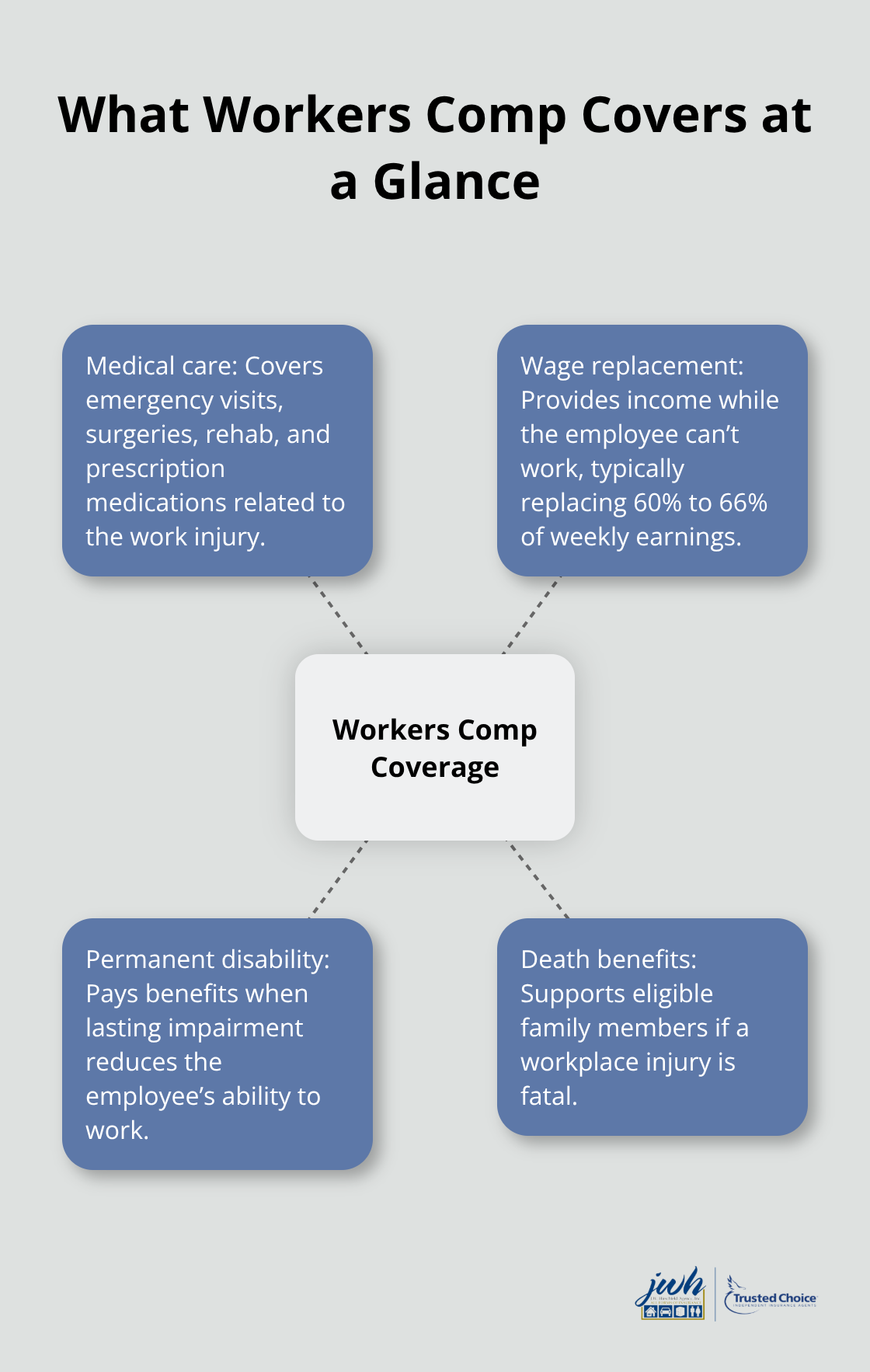
Workers compensation protects your employees when they suffer job-related injuries or illnesses. Medical expenses, surgical procedures, rehabilitation, and prescription medications all fall under coverage. If an employee misses work due to a work-related injury, wage replacement benefits typically cover 60 to 66 percent of their regular weekly earnings. Permanent disability benefits apply when an employee sustains lasting damage that affects their ability to work. Death benefits go to the employee’s family if a workplace injury proves fatal.
The specifics vary significantly by state. Some states allow workers to choose their own doctors while others require company-selected providers. The Council of Insurance Agents and Brokers reports that medical cost management represents the largest expense category in workers compensation claims, making coverage selection important for budget planning.
State Requirements Shape Your Obligations
Most states mandate workers compensation insurance if you have employees on payroll. Texas and South Dakota don’t require it, though employers in those states often carry it anyway for competitive hiring and risk management. States like New York, California, and Florida impose strict penalties for non-compliance-fines can reach thousands of dollars per violation, and owners face personal liability if uninsured workers suffer injuries.
Your industry classification determines your premium rate within your state. Construction companies pay substantially more than office-based businesses because of higher injury risk. The National Council on Compensation Insurance maintains classifications that insurers use to calculate premiums, and misclassifying your business can trigger audits and back-premium bills. An independent agent verifies your classification accuracy and confirms your coverage meets state minimums, preventing costly compliance mistakes.
How Claims Move Through the System
An injured employee reports the incident to management, who must file a claim with the insurance carrier within a specific timeframe (typically within 10 days in most states). The insurer investigates the claim to verify the injury occurred at work and determine benefit eligibility. Medical providers submit treatment bills directly to the insurer, which pays them according to state fee schedules rather than standard medical billing rates.
The employee receives wage replacement checks if they miss work, usually starting after a waiting period of three to seven days. If the injury prevents return to the original job, vocational rehabilitation services help the employee retrain for different work.
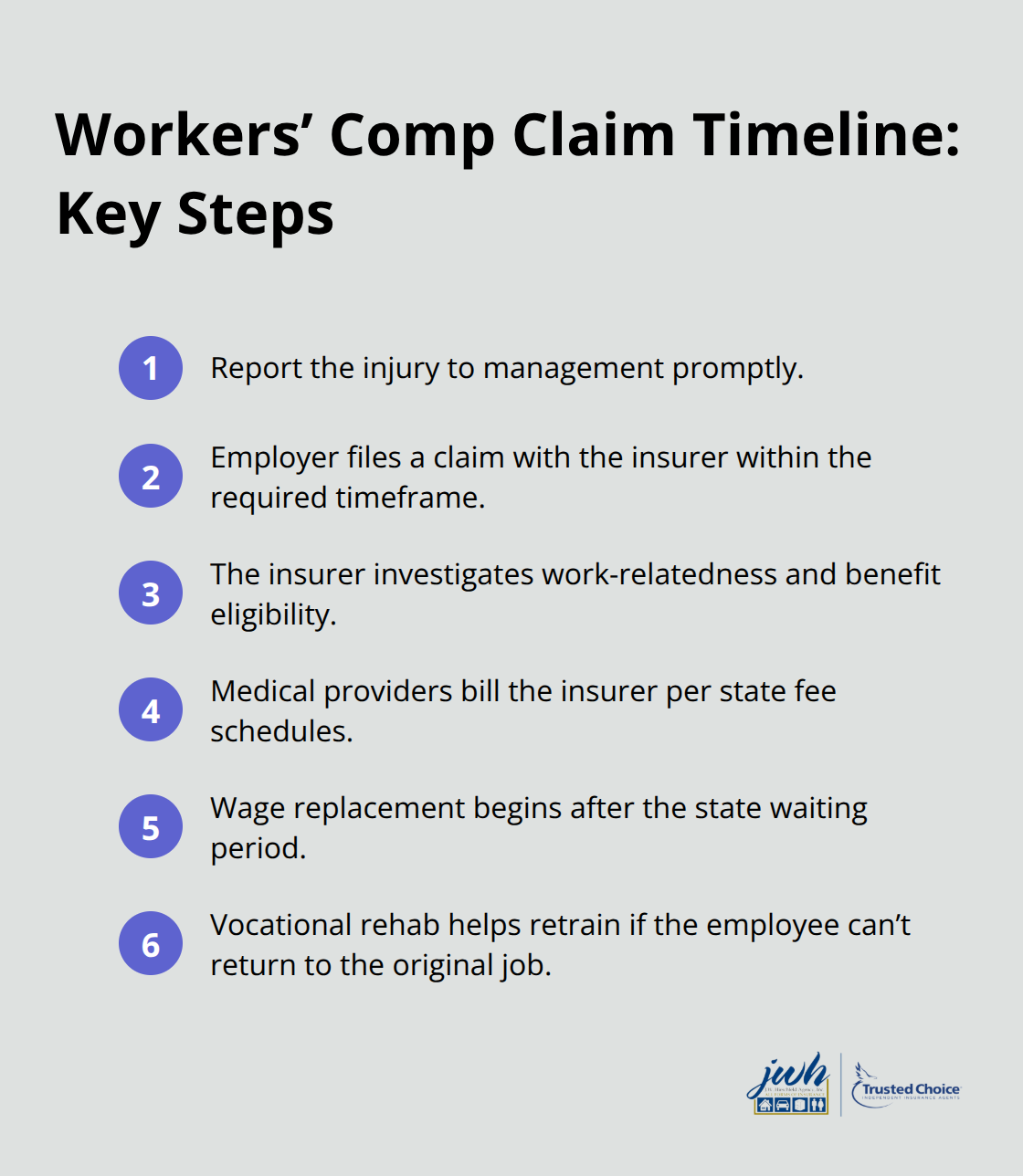
The entire process from injury report to claim closure can take weeks or months depending on injury severity and dispute complexity.
Understanding these mechanics helps you prepare for what happens when an injury occurs. The next step involves evaluating which specific coverage options and protection levels actually fit your business operations and workforce needs.
Coverage Options That Match Your Business
Medical Benefits Form Your Foundation
Medical benefits form the foundation of workers compensation, and they’re straightforward: your insurer covers all treatment related to the work injury, regardless of cost limits. This includes emergency room visits, surgeries, physical therapy, and ongoing medications. The National Council on Compensation Insurance reports that paid medical costs per claim rose at 2%, making this coverage essential for protecting both employees and your finances.
The scope varies by state. Some states cap physical therapy visits or require pre-authorization for certain procedures, while others allow unlimited treatment. Your state’s fee schedule also matters significantly-insurers pay based on predetermined rates, not standard medical billing rates, which means your costs remain predictable.
Wage Replacement Benefits Keep Employees Afloat
Wage replacement benefits kick in when an employee cannot work, typically replacing 60 to 66 percent of their weekly earnings up to a state-defined maximum. In high-wage states like California and New York, these maximums reach $1,500 to $1,700 weekly, while lower-wage states cap benefits at $700 to $900 weekly. The waiting period before payments start ranges from three to seven days depending on your state, though many insurers waive this if the employee remains out of work beyond two weeks.
This protection matters more than many business owners realize. Employees who lack income support often return to work too quickly, prolonging recovery and increasing re-injury risk. Adequate wage replacement benefits actually reduce your long-term claim costs by supporting proper healing.
Disability Coverage Protects Against Long-Term Impact
Disability coverage levels determine long-term protection when injuries cause permanent impairment. Temporary partial disability covers situations where an employee returns to work but at reduced capacity or lower wages-the insurer supplements lost income during recovery. Permanent partial disability applies when an employee sustains lasting damage affecting earning ability, providing a lump-sum payment based on the body part injured and your state’s disability schedule.
Construction companies and manufacturers face higher permanent disability claims because of injury severity risk, making adequate disability limits critical for your budget planning.
Occupational Disease Coverage Addresses Hidden Threats
Occupational disease coverage protects against illnesses that develop over time from job exposure, such as respiratory conditions in manufacturing, carpal tunnel in data entry roles, or hearing loss in loud environments. Many business owners overlook this coverage because illnesses develop slowly and claims surface years after exposure, yet they can cost more than acute injuries.
Your industry’s common occupational diseases vary dramatically-respiratory hazards, repetitive strain injuries, and chemical exposures differ significantly by business type. Your coverage should reflect actual workplace conditions rather than generic industry standards. An independent agent can review your specific exposures and recommend appropriate limits, ensuring you’re not caught off guard by claims that emerge years down the road.
Tailoring Your Coverage to Match Real Workplace Conditions
Assess Your Actual Injury Patterns
Your industry classification, workforce size, and specific job duties determine which coverage options actually protect your business. A construction company managing roofing crews faces entirely different risks than a dental practice with five employees, yet many business owners default to whatever their previous carrier offered without reassessing whether it still fits.
Start with your three most common workplace injuries or illnesses based on actual claims history over the past three years. If you lack historical data, contact your state’s workers compensation board or the National Council on Compensation Insurance for industry-specific injury patterns. Construction industry average injury rates vary significantly by sector, while office environments typically remain lower. This gap matters for your coverage limits because underinsuring for your industry’s typical claims creates serious financial exposure.
Compare Your Claims Against Current Limits
Your state’s fee schedules and medical cost trends shift annually, meaning last year’s limits may leave gaps today. Request your current policy from your existing carrier and identify your actual claim costs over the past three to five years, then compare those numbers against your coverage limits. If your largest claim consumed 60 percent or more of your medical limit, that limit is too low for your operation.
Evaluate Multiple Carriers for Better Rates and Service
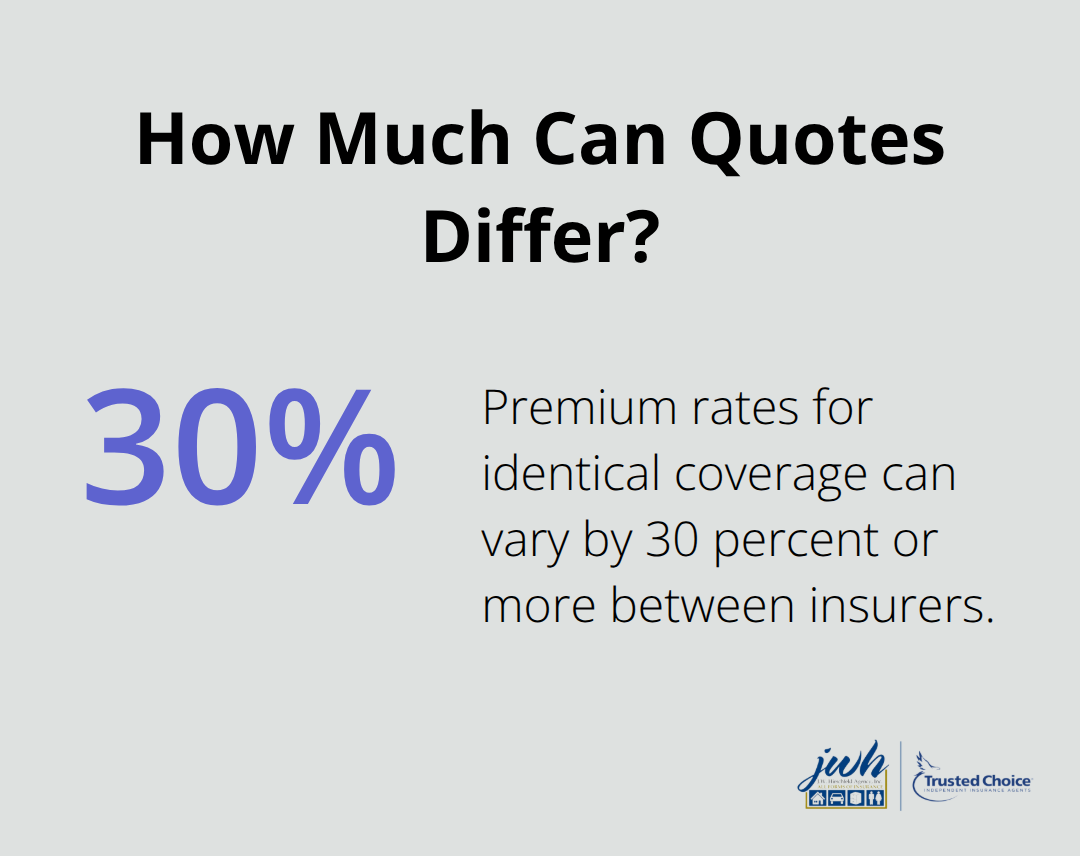
Premium rates for identical coverage vary dramatically between insurers, sometimes by 30 percent or more depending on each carrier’s claims experience with your industry. When evaluating quotes, don’t focus solely on price because a $200 monthly savings means nothing if the carrier denies claims or processes them slowly.
Verify that each quote includes appropriate occupational disease coverage for your specific workplace exposures rather than generic industry coverage. Ask about experience modification rates, which adjust your premium based on your historical claims, and confirm whether the carrier offers premium discounts for safety programs or employee training. Some carriers provide loss control services that help identify hazards before injuries occur, reducing your long-term claims costs and premiums.
Partner with an Independent Agent for Tailored Solutions
Request references from other businesses in your industry using that carrier and ask specifically about claims handling speed and dispute resolution. An independent agent represents multiple carriers and can match your specific operation to the carrier offering both competitive pricing and strong claims service for your industry, rather than limiting you to one company’s offerings. This approach protects your business from coverage gaps while keeping your premiums competitive.
Final Thoughts
Workers compensation coverage options require more than checking a box on your insurance renewal. Your business operates with specific risks, employee roles, and financial constraints that demand protection matching those realities rather than generic industry defaults. The coverage levels that work for a competitor won’t necessarily protect your operation, and underestimating your needs creates serious financial exposure when claims arrive.
Tailored coverage solutions address your actual workplace conditions. Assessing your injury patterns, comparing claims against current limits, and evaluating multiple carriers builds protection that covers what matters most to your business. Occupational disease coverage, adequate wage replacement limits, and appropriate disability protection work together to support both your employees and your bottom line.
We at JW Hirschfeld Agency, Inc. help business owners in the Huntington area find workers compensation coverage that fits their specific operations. As an independent agency representing multiple top carriers, we match your business to the right coverage levels and competitive pricing rather than limiting you to one company’s offerings. Start by gathering your claims history from the past three to five years and contact JW Hirschfeld Agency, Inc. to review your current coverage against actual claim costs and industry trends.
The information provided in this blog is for general informational purposes only and does not constitute legal, financial, or insurance advice. Coverage options, terms, and availability may vary. Please consult with a licensed professional for advice specific to your situation.
Artificial intelligence may have been used to generate text and images in some blog articles.